
No products in the cart.

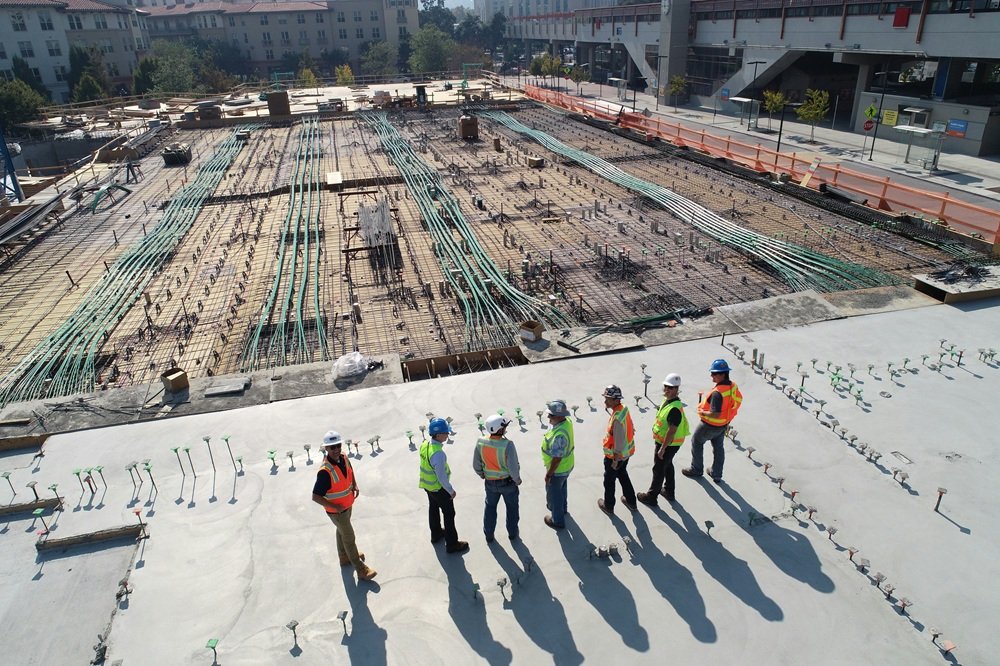
Temporary Works Course is an essential training program for construction professionals who are involved in planning, managing, designing, or supervising temporary structures on building projects. Temporary works play a major role in construction because they provide support, access, protection, and stability during different stages of a project.
Although temporary structures are not part of the final building, they are critical for maintaining safety and allowing construction activities to be completed successfully. Examples include scaffolding, excavation support, temporary bridges, propping systems, formwork, falsework, and site access structures.
Without proper planning and management, temporary works can create serious risks for workers, contractors, and the public. This is why organizations across the UK construction industry require competent individuals who understand how temporary works should be managed. A Temporary Works Course helps professionals develop the knowledge needed to identify risks, understand responsibilities, follow industry guidance, and improve safety standards on construction sites.
Whether you are a site manager, engineer, supervisor, contractor, or construction professional looking to improve your skills, temporary works training can support your career development and improve your understanding of safe construction practices. At Just Course Booking, we provide construction training solutions designed to help professionals gain the knowledge required for modern construction environments.
What Is a Temporary Works Course?
A Temporary Works Course is designed to teach learners about the principles of temporary works management within the construction industry. Temporary works are structures or systems that are required during construction but are removed once the permanent structure is completed.
These structures may include:
- Temporary supports
- Scaffolding systems
- Excavation support systems
- Formwork and falsework
- Temporary access routes
- Site hoarding
- Temporary platforms
- Propping systems
- Structural supports
The course explains how these systems should be planned, controlled, and monitored to reduce risks during construction activities. The main aim of a Temporary Works Course is to ensure that everyone involved understands their responsibilities and follows recognised safety procedures.
Why Are Temporary Works Important in Construction?
Temporary works are used on almost every major construction project. They allow workers to safely complete tasks that would not be possible without additional support or access arrangements.
For example:
- Scaffolding allows workers to access higher areas safely.
- Temporary supports prevent structural movement during construction.
- Excavation support prevents ground collapse.
- Formwork helps create concrete structures.
- Temporary platforms provide safe working areas.
Although temporary works are not permanent, their failure can have serious consequences.
Poorly planned temporary works can result in:
- Structural collapse
- Worker injuries
- Project delays
- Financial losses
- Legal issues
- Damage to property
This is why proper management and competent supervision are essential.
Who Should Complete a Temporary Works Course?
A Temporary Works Course is suitable for anyone involved in managing, supervising, or working with temporary structures.
Typical learners include:
- Site managers
- Construction managers
- Site supervisors
- Engineers
- Temporary Works Coordinators
- Temporary Works Supervisors
- Contractors
- Project managers
- Civil engineering professionals
- Construction workers looking to progress
The course is especially valuable for individuals who want to improve their understanding of construction safety and take on greater responsibilities.
What Does the Course Cover?
A Temporary Works Course provides learners with knowledge about the complete temporary works process, from planning through to completion.
Typical course topics include the following:
- Introduction to temporary works
- Roles and responsibilities
- Temporary works procedures
- Risk assessment
- Design requirements
- Inspection processes
- Communication between teams
- Documentation control
- Safety management
- Industry guidance
Understanding these areas helps construction professionals make safer decisions on site.
Understanding Temporary Works Responsibilities
One of the most important parts of temporary works management is understanding individual responsibilities. Different people involved in a construction project have different roles.
Key roles include:
Client Responsibilities
The client must ensure suitable arrangements are in place for managing health and safety throughout the project.
Responsibilities include:
- Appointing competent contractors
- Ensuring resources are available
- Supporting effective safety management
Principal Contractor Responsibilities
The principal contractor is responsible for coordinating construction activities and ensuring temporary works are managed correctly.
Responsibilities include:
- Implementing temporary works procedures
- Ensuring competent people are appointed
- Monitoring safety standards
- Coordinating different contractors
Temporary Works Coordinator Responsibilities
The Temporary Works Coordinator plays a key role in controlling temporary works.
Their responsibilities include:
- Managing temporary works procedures
- Coordinating designs
- Ensuring approvals are completed
- Monitoring inspections
- Communicating requirements to relevant teams
A Temporary Works Course helps professionals understand these responsibilities clearly.
Temporary Works Supervisor Responsibilities
The Temporary Works Supervisor supports daily monitoring and implementation of temporary works.
Their duties may include:
- Checking temporary works installations
- Reporting issues
- Ensuring procedures are followed
- Supporting inspections
- Communicating safety concerns
Effective teamwork between coordinators, supervisors, designers, and contractors is essential for successful temporary works management.
The Importance of Temporary Works Planning
Good planning is the foundation of safe temporary works.
Before temporary structures are installed, teams must consider:
- Site conditions
- Design requirements
- Materials required
- Construction sequence
- Potential hazards
- Inspection requirements
- Emergency arrangements
Poor planning can lead to unexpected problems during construction.
A well-planned approach helps:
- Reduce risks
- Improve efficiency
- Prevent delays
- Control costs
- Protect workers
Risk Assessment in Temporary Works
Risk assessment is a major part of temporary works management. Before any temporary structure is installed, potential hazards must be identified and controlled.
Common risks include:
- Structural failure
- Incorrect installation
- Overloading
- Poor ground conditions
- Weather damage
- Inadequate inspections
- Communication failures
A Temporary Works Course teaches learners how to understand these risks and support safer project delivery.
Temporary Works Procedure Explained
A temporary works procedure provides a structured approach for managing temporary structures throughout a project.
It normally includes:
- Classification of temporary works
- Design requirements
- Approval processes
- Responsibilities
- Inspection procedures
- Handover requirements
- Removal procedures
Following a clear procedure ensures everyone understands what needs to happen and who is responsible.
Temporary Works Categories
Temporary works are often classified according to their complexity and risk level.
Examples include:
- Low-risk temporary works
- Medium-risk temporary works
- High-risk temporary works
Higher-risk temporary works require greater levels of design review, approval, and monitoring. Understanding these categories helps teams apply the correct level of control.
Benefits of Completing a Temporary Works Course
Completing a Temporary Works Course provides construction professionals with valuable knowledge that can improve safety, efficiency, and career opportunities. Temporary works failures can have serious consequences, so employers need workers who understand how to identify risks and follow correct procedures.
Some of the main benefits include:
- Improved understanding of temporary works management
- Better knowledge of construction safety procedures
- Increased confidence in decision-making
- Improved career progression opportunities
- Greater awareness of legal responsibilities
- Reduced workplace risks
- Better communication between construction teams
By developing these skills, professionals can contribute to safer and more successful construction projects.
Improve Your Career Opportunities
The construction industry continues to require skilled professionals who can manage complex projects safely and efficiently. Completing a Temporary Works Course can help workers strengthen their professional profile and prepare for roles with greater responsibility.
It can support career progression into roles such as the following:
- Temporary Works Coordinator
- Temporary Works Supervisor
- Site Supervisor
- Site Manager
- Construction Manager
- Project Manager
- Civil Engineering Professional
Employers value individuals who understand temporary work because these skills are essential on many construction projects.
Temporary Works and Health and Safety Responsibilities
Health and safety is a priority in every construction project. Temporary works must be properly designed, installed, inspected, and maintained to protect everyone on site. A Temporary Works Course helps learners understand how safety responsibilities connect with temporary structures.
Important safety considerations include:
- Following approved designs
- Completing inspections
- Reporting defects
- Using competent workers
- Maintaining accurate records
- Communicating changes
- Following site procedures
A strong safety approach reduces the likelihood of accidents and helps projects meet industry expectations.
Temporary Works Inspection Requirements
Regular inspections are essential to ensure temporary structures remain safe throughout the construction process.
Inspections may be required:
- Before use
- After installation
- Following modifications
- After extreme weather conditions
- At scheduled intervals
Workers and supervisors should report any concerns immediately. Inspection processes help identify problems early and prevent failures that could affect workers and the wider project.
The Role of Documentation in Temporary Works
Documentation plays an important role in managing temporary works safely. Proper records help teams track approvals, inspections, and responsibilities.
Important documents may include:
- Temporary works designs
- Risk assessments
- Method statements
- Inspection reports
- Approval documents
- Handover records
A Temporary Works Course explains why accurate documentation is necessary for effective control and communication.
Temporary Works Coordinator Course vs Temporary Works Course
Many people search for temporary works training because they want to understand the difference between general temporary works awareness and the Temporary Works Coordinator role. A general Temporary Works Course introduces learners to the principles of temporary works management, responsibilities, and safety procedures.
A Temporary Works Coordinator course is usually aimed at professionals who will take responsibility for coordinating temporary works activities on a project. The right course depends on your current role, experience, and career goals.
Who Benefits Most From This Training?
Although temporary works are often associated with engineers and managers, many construction professionals benefit from understanding how temporary structures are controlled.
This training is valuable for:
- New construction professionals
- Experienced supervisors
- Site managers
- Engineering teams
- Contractors
- Workers preparing for promotion
Having knowledge of temporary works helps professionals make safer decisions and communicate effectively with project teams.
Why Choose Just Course Booking?
At Just Course Booking, we help construction professionals access training designed to support career growth and workplace safety. Our aim is to provide learners with practical knowledge that can be applied in real construction environments.
Benefits of choosing Just Course Booking includes:
- Easy online course booking
- Flexible training options
- Industry-focused courses
- Support throughout your learning journey
- Access to construction qualifications
Explore our full range of construction courses:
https://justcoursebooking.com/shop
Visit our website to discover more training opportunities: https://justcoursebooking.com/
How to Choose the Right Temporary Works Training
Before enrolling, consider your current job role and future career plans.
Ask yourself:
- Do I manage temporary works?
- Am I responsible for site supervision?
- Do I need awareness of temporary structures?
- Am I progressing towards management?
- Does my employer require specific training?
Choosing the correct course ensures you gain the knowledge most relevant to your responsibilities.
Frequently Asked Questions
What is a Temporary Works Course?
A Temporary Works Course teaches construction professionals how temporary structures are planned, managed, inspected, and controlled safely during construction projects.
Who should take a Temporary Works Course?
The course is suitable for site managers, supervisors, engineers, contractors, project managers, and anyone involved in temporary works activities.
Why is temporary works management important?
Temporary works support construction activities and protect workers. Poor management can lead to structural failures, accidents, delays, and financial losses.
What are examples of temporary works?
Examples include scaffolding, formwork, falsework, excavation support, temporary bridges, propping systems, and temporary access structures.
Does temporary works training help career progression?
Yes. Knowledge of temporary works can support progression into supervisory, coordination, and management roles within construction.
What skills will I gain from the course?
Learners develop knowledge of risk assessment, temporary works procedures, inspections, documentation, responsibilities, and construction safety management.
For further guidance about construction health and safety and temporary works responsibilities, you can refer to:
- Health and Safety Executive (HSE): https://www.hse.gov.uk/
- Construction Industry Training Board (CITB): https://www.citb.co.uk/
These resources provide additional information about construction standards, safety responsibilities, and professional development.
Conclusion
A Temporary Works Course is an important qualification for construction professionals who want to improve their understanding of temporary structures, safety procedures, and project responsibilities.
Temporary works may only be used for a short period, but their impact on construction safety is significant. Proper planning, design, inspection, and management are essential to prevent accidents and ensure successful project completion.
Whether you are a site supervisor, engineer, manager, or construction worker looking to progress, temporary works training can provide valuable knowledge that supports both safety and career development. By understanding temporary works responsibilities and following recognised procedures, construction professionals can help create safer workplaces and deliver better project outcomes.


About author

Related posts

If you work in construction, you may have heard people talk about NVQs but wondered what they actually mean. You may also be asking whether... Continue reading

Construction sites need strong supervision to keep workers safe, maintain standards, and make sure work is carried out according to the correct procedures. While workers... Continue reading

If you are working towards a career in construction management, understanding health and safety responsibilities is an important part of your professional development. Site managers... Continue reading

The construction industry offers many opportunities for people who want practical, hands-on careers. However, experience alone is not always enough to demonstrate what you can... Continue reading

A construction career can change significantly when you move from carrying out work to managing how work is planned, organized, and delivered. Completing an SMSTS... Continue reading
Add comment