
No products in the cart.

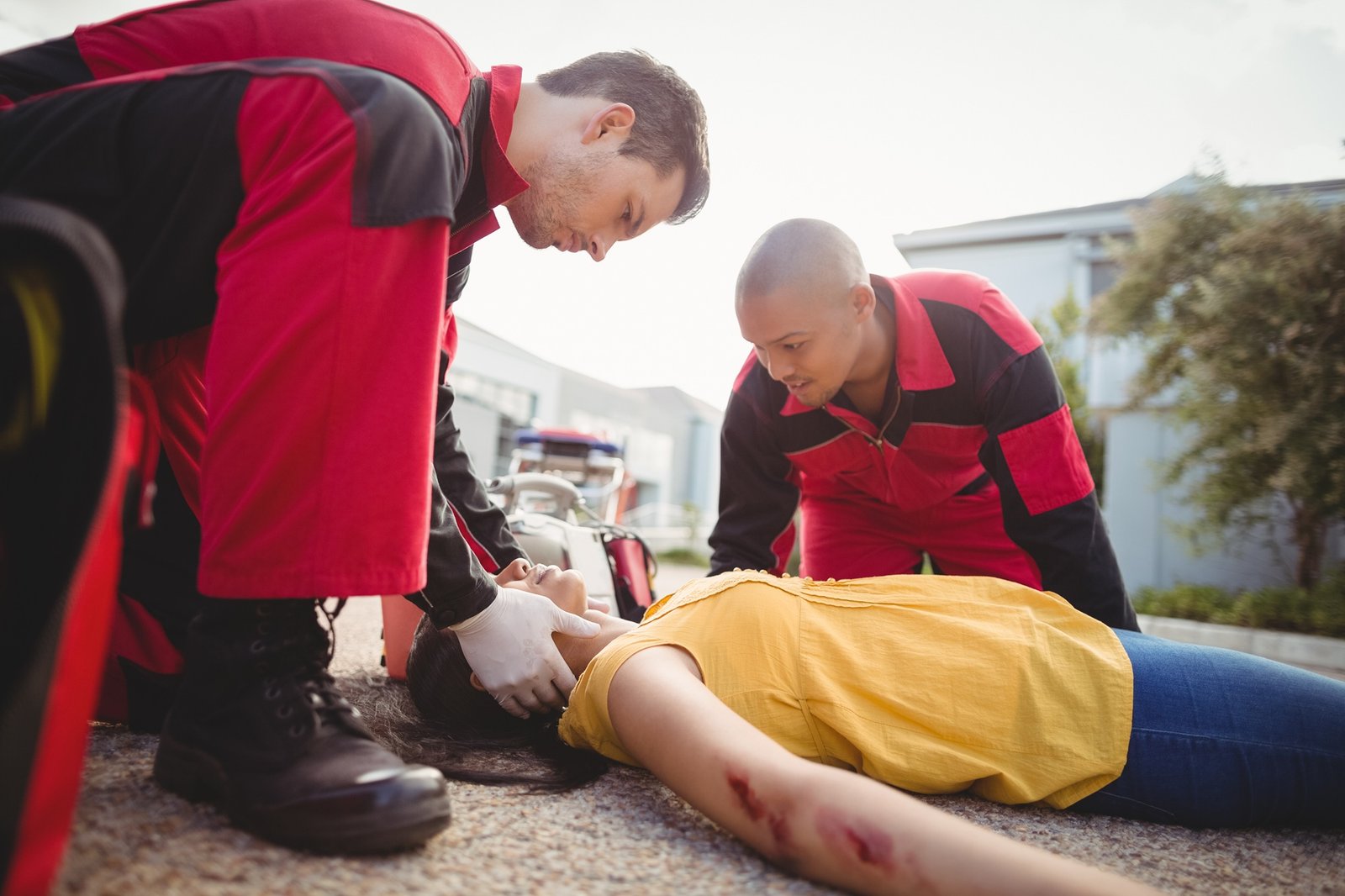
A First Aid at Work Course helps workers develop essential knowledge and skills to respond to workplace accidents, injuries and sudden illness. In construction, manufacturing, warehouses and other working environments, emergencies can happen unexpectedly. Knowing how to respond quickly and safely can help protect injured colleagues while professional medical assistance is arranged.
Whether you work on a construction site, supervise a team or want to improve your workplace safety knowledge, first aid training can help you understand how to respond during an emergency.
If you want to develop your first aid knowledge, explore the First Aid at Work Course at Just Course Booking.
What Is a First Aid at Work Course?
A First Aid at Work Course provides training to help learners recognise emergencies and respond appropriately when someone becomes injured or ill at work. Depending on the qualification, training may cover casualty assessment, CPR, using an automated external defibrillator (AED), managing bleeding and responding to common workplace injuries.
The full First Aid at Work qualification covers a broader range of injuries and illnesses than Emergency First Aid at Work. The correct course depends on the needs of the workplace and the responsibilities of the first aider.
Why Is First Aid Training Important in the Workplace?
Workplace accidents can happen in almost any industry. Construction workers may experience cuts, falls, burns or injuries involving machinery, while office and warehouse employees can also face medical emergencies.
A First Aid at Work Course helps learners understand the importance of responding calmly, seeking appropriate assistance and following safe procedures.
Key benefits include:
- Emergency awareness: Learn to recognise when someone needs immediate assistance.
- Practical skills: Develop relevant first aid skills through appropriate training and assessment.
- Improved preparedness: Understand how to respond when an accident or sudden illness occurs.
- Workplace safety: Support an effective workplace first aid arrangement.
- Professional development: Build knowledge that may be useful for roles involving health and safety responsibilities.
According to the Health and Safety Executive (HSE), employers must provide first aid arrangements that are adequate and appropriate for their workplace. Read the official HSE first aid guidance for more information.
7 Essential Skills Covered in First Aid Training
1. Assessing an Emergency
Before providing assistance, it is important to assess the situation and check for potential dangers. A first aider should consider whether the area is safe, identify the nature of the emergency and seek additional help when required.
A First Aid at Work Course helps learners understand the importance of assessing an incident before approaching a casualty.
2. Understanding CPR and AED Use
Cardiopulmonary resuscitation (CPR) is an emergency procedure used when someone is unresponsive and not breathing normally. An automated external defibrillator can help treat certain life-threatening heart rhythm problems.
Suitable training helps learners understand when CPR is required and how to use an AED safely, following their training and the device’s instructions.
3. Managing Bleeding and Wounds
Cuts and other injuries can occur when workers handle tools, materials or machinery. First aid training can teach learners how to assess bleeding, protect themselves from exposure to blood and apply appropriate initial care.
Severe bleeding requires urgent emergency assistance. Learners should follow their training and seek professional medical help when necessary.
4. Responding to Burns and Scalds
Burns can result from hot surfaces, liquids, chemicals or other workplace hazards. Understanding the correct initial response can help prevent further harm.
A First Aid at Work Course may cover recognising different types of burns, providing appropriate initial care and identifying situations that require urgent medical attention.
5. Helping Someone Who Is Choking
Choking can become life-threatening when an airway is blocked. First aid training helps learners recognise the signs of choking and understand the appropriate response for the casualty’s condition.
Learners should practise these techniques during suitable training rather than relying only on written instructions.
6. Recognising Shock and Sudden Illness
Workers can experience sudden illness or serious injuries that require prompt attention. Depending on the course, training may cover recognising signs of shock, fainting, seizures, breathing difficulties and other medical conditions.
Understanding these warning signs can help a first aider seek appropriate assistance and provide support within their level of training.
7. Communicating During an Emergency
Clear communication is essential when an incident occurs. A first aider may need to alert a supervisor, call emergency services, request an AED or explain what happened when medical professionals arrive.
First aid training helps learners understand the importance of remaining calm, sharing relevant information and following workplace emergency procedures.
Who Should Take a First Aid at Work Course?
A First Aid at Work Course may be suitable for people whose roles involve workplace safety or first aid responsibilities, including:
- Construction workers and site supervisors.
- Warehouse and manufacturing employees.
- Workplace health and safety personnel.
- Team leaders and managers.
- Employees selected by their employer to provide first aid.
- Individuals seeking to develop practical first aid skills.
The appropriate qualification depends on the workplace’s first aid needs assessment. Not every workplace requires the same level of first aid provision.
What Is the Difference Between First Aid at Work and Emergency First Aid at Work?
Although the names are similar, these courses have different scopes.
Emergency First Aid at Work (EFAW) is a shorter qualification focused on responding to workplace emergencies and providing immediate assistance.
First Aid at Work (FAW) is a more comprehensive qualification that covers emergency first aid alongside a wider range of injuries and illnesses.
The HSE recommends that employers assess their workplace, workforce and potential hazards when deciding what first aid arrangements are needed. You can read the HSE guidance for employers before choosing the appropriate training.
How Long Does a First Aid at Work Course Take?
The duration depends on the qualification and delivery method. A full First Aid at Work qualification is commonly delivered over three days, while Emergency First Aid at Work is commonly delivered over one day. Some providers offer blended learning that combines online theory with practical classroom training.
Before booking your First Aid at Work Course, check the course page for the confirmed duration, training format, assessment arrangements and certificate details.
Does a First Aid at Work Certificate Expire?
Workplace First Aid at Work and Emergency First Aid at Work certificates are generally valid for three years when issued under the relevant qualification arrangements.
Certificate holders should check their renewal requirements and arrange appropriate requalification before their certificate expires. Employers should also consider how first aiders can keep their skills current between formal training sessions.
Always confirm the applicable requirements with your training provider and employer.
How to Choose the Right First Aid Training
Before enrolling, consider the following points:
- Course suitability: Confirm that the qualification matches your workplace responsibilities.
- Training content: Review the topics and practical skills included.
- Assessment: Check the theory and practical assessment requirements.
- Training format: Confirm whether the course is classroom-based or blended.
- Certification: Ask which certificate is awarded after successful completion.
- Renewal requirements: Find out how long the certificate remains valid and when requalification is needed.
Choosing suitable training helps ensure that your learning supports your intended role and workplace requirements.
Why Choose Just Course Booking?
Just Course Booking provides access to training options for people looking to improve their skills and workplace knowledge.
If you want to learn more about first aid training, visit the course page to review the available information and determine whether it meets your needs.
Explore the course here: First Aid at Work Course – Just Course Booking.
Before enrolling, confirm the course duration, practical assessment, certificate arrangements and whether the qualification is appropriate for your employer’s first aid requirements.
Frequently Asked Questions
1. What Is a First Aid at Work Course?
A First Aid at Work Course teaches learners how to respond to workplace emergencies, provide appropriate initial care and recognise situations requiring further medical assistance.
2. Is First Aid Training Suitable for Beginners?
Yes. Many first aid courses are designed for people with no previous formal first aid qualification. Check the entry requirements for your chosen course.
3. What Topics Are Covered in First Aid Training?
Topics may include casualty assessment, CPR, AED use, bleeding, burns, choking, shock and common workplace injuries or illnesses. The exact syllabus depends on the qualification.
4. Is First Aid at Work the Same as Emergency First Aid at Work?
No. Emergency First Aid at Work focuses on immediate emergency response, while the full First Aid at Work qualification covers a wider range of injuries and illnesses.
5. How Long Is a First Aid at Work Certificate Valid?
A qualifying First Aid at Work certificate is generally valid for three years. Check the certificate conditions and renewal requirements with your training provider.
6. Do All Workplaces Need a Trained First Aider?
The required arrangements depend on the workplace’s first aid needs assessment. Employers must provide adequate and appropriate first aid provision, but the number and type of trained first aiders needed can vary.
Final Thoughts
A First Aid at Work Course can help learners develop valuable skills for responding to workplace emergencies. Understanding casualty assessment, CPR, bleeding, burns and emergency communication can support safer working practices and help workers respond more confidently when someone needs assistance.
If you are looking to develop your first aid knowledge, explore the First Aid at Work Course at Just Course Booking and check the course details before enrolling.


About author

Related posts

Workplace Safety Training UK plays an important role in helping employees recognise hazards, understand their responsibilities and follow safe working procedures. In construction and other... Continue reading

Site Safety Responsibilities UK are one of the most important aspects of working in the construction industry. Every year, thousands of construction workers across the... Continue reading

Working at Height Training UK is one of the most important health and safety qualifications for anyone who works above ground level. Whether you are... Continue reading

Level 1 Health and Safety Course is one of the best qualifications for anyone planning to begin a career in the UK construction industry. Before... Continue reading

Level 1 Health and Safety is one of the first qualifications many people complete before starting a career in the UK construction industry. Whether you... Continue reading
Add comment