
No products in the cart.

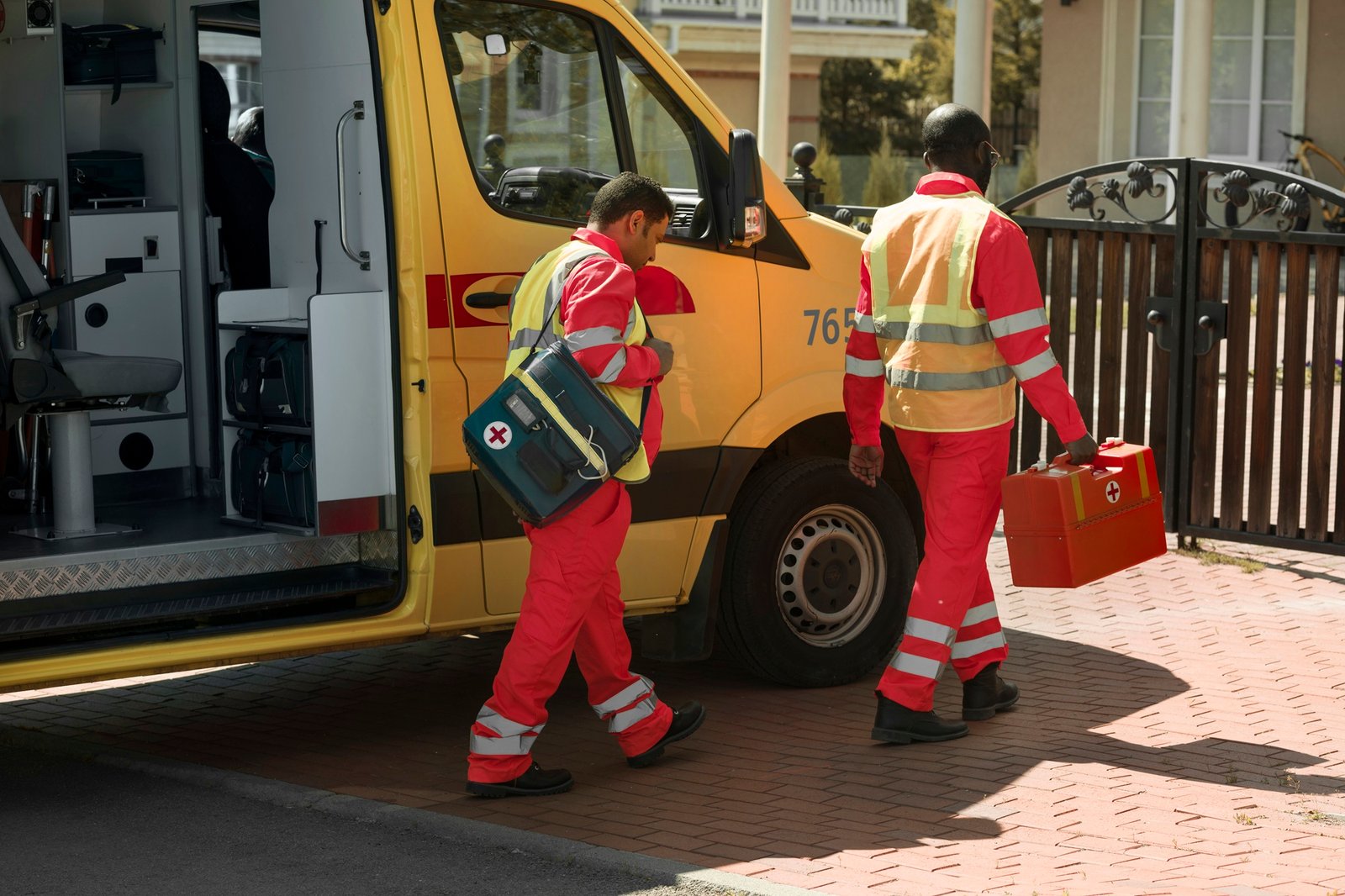
Construction Site Safety Training helps workers understand workplace hazards, follow safe working practices, and develop the knowledge needed to protect themselves and others. Construction sites can involve moving vehicles, heavy machinery, manual handling, working at height, and unexpected emergencies. Without suitable training and safety awareness, these hazards can put workers, visitors, and the public at risk.
Whether you are starting a construction career, working as a site operative or looking to improve your workplace safety knowledge, choosing the right training can be an important step in your professional development.
At Just Course Booking, you can explore courses covering vehicle marshalling, basic health and safety, and workplace first aid. These three training options address different aspects of construction safety and can help you identify suitable learning opportunities for your role.
Why Is Construction Site Safety Training Important?
Construction work requires workers to recognize hazards, understand their responsibilities, and follow the procedures established for their workplace. Even routine activities, such as unloading deliveries or moving materials, can create risks when they are not managed properly.
Effective Construction Site Safety Training can help workers understand:
- How to recognize common workplace hazards.
- Why personal protective equipment (PPE) is important.
- How to follow site rules and safety procedures.
- How to work safely around vehicles and machinery.
- What to do when an accident or emergency occurs.
- Why communication and teamwork are essential for workplace safety.
Training should be appropriate to the work being carried out. Employers also need to assess workplace risks and ensure workers receive suitable information, instruction, training, and supervision.
The Health and Safety Executive provides useful information about health and safety in construction. Understanding these principles is a useful starting point for workers and employers looking to improve site safety.
1. NPORS Vehicle Marshal (N403) Course: Improve Vehicle Movement Safety
Vehicles and mobile plants are common on construction sites. Delivery lorries may reverse into unloading areas, machinery may move between work zones, and pedestrians may need to work close to operating vehicles. Poor visibility and unclear communication can increase the risk of accidents.
The NPORS Vehicle Marshal (N403) course focuses on the knowledge and skills needed to guide vehicles safely during maneuvers.
What Can Vehicle Marshal Training Teach You?
A vehicle marshal, also known as a traffic marshal or vehicle banksman, helps guide vehicle movements and supports safe working arrangements around vehicles.
Relevant training may cover:
- Understanding the responsibilities of a vehicle marshal.
- Recognising vehicle blind spots and workplace hazards.
- Using agreed hand signals and communication methods.
- Maintaining a safe position while guiding vehicles.
- Supporting safe reversing and manoeuvring.
- Following site traffic arrangements and exclusion zones.
- Understanding the importance of suitable PPE.
These skills are particularly relevant for workers whose duties involve directing vehicles or supporting site traffic management.
Who Should Consider This Course?
The course may be suitable for construction workers, site operatives, traffic marshals, vehicle banksmen, and others whose roles involve guiding vehicles. If you want to develop your vehicle marshalling knowledge, review the course requirements and assessment arrangements before booking.
Explore the course: NPORS Vehicle Marshal (N403) Course – Just Course Booking
2. Level 1 Health and Safety Course: Build Your Safety Knowledge
Understanding basic workplace safety principles is important for people entering the construction industry. Workers need to recognize potential dangers, follow instructions, and understand how their actions can affect colleagues.
The Level 1 Health and Safety Course introduces learners to essential health and safety concepts that can support safer working practices.
What Can You Learn from Health and Safety Training?
Depending on the course syllabus, introductory health and safety training may cover:
- Identifying common workplace hazards.
- Understanding basic risk prevention.
- Recognizing the importance of PPE.
- Learning about safe manual handling.
- Understanding fire and electrical safety awareness.
- Following workplace rules and emergency procedures.
- Recognizing individual health and safety responsibilities.
This knowledge can help learners understand why safety procedures matter and when to report hazards to a supervisor.
Is This Course Suitable for Beginners?
A Level 1 Health and Safety Course may be useful for people who are new to construction, preparing for entry-level roles, or looking to improve their understanding of workplace safety.
However, the qualification required will depend on the job and employer. If you need a course for a specific role or a CSCS card application, confirm that the exact qualification meets the current requirements before enrolling.
Explore the course: Level 1 Health and Safety Course – Just Course Booking
3. First Aid at Work Course: Prepare for Workplace Emergencies
Even when appropriate safety measures are in place, accidents and sudden illnesses can occur. A worker may suffer a cut, burn, fall-related injury, or medical emergency while carrying out their duties. The First Aid at Work Course helps learners develop knowledge and skills for responding to workplace emergencies within the scope of their training.
Why Is First Aid Training Valuable?
First aid knowledge can help workers recognize an emergency, seek appropriate assistance, and provide initial care while further medical help is arranged.
Depending on the qualification, training may cover:
- Assessing an incident and recognizing immediate dangers.
- Understanding CPR and automated external defibrillator (AED) use.
- Responding to bleeding and wounds.
- Recognizing burns and other common injuries.
- Understanding how to respond to sudden illness.
- Communicating with emergency services.
- Following workplace emergency procedures.
The exact topics depend on the course syllabus and qualification.
Who May Need First Aid Training?
First aid training may be relevant for employees selected to take on workplace first aid responsibilities, supervisors, health and safety personnel, and people who want to develop emergency response skills.
Employers should assess the first aid needs of their workplace to determine the appropriate level of provision. A full First Aid at Work qualification and an Emergency First Aid at Work qualification have different scopes, so it is important to choose the right course.
Explore the course: First Aid at Work Course – Just Course Booking
How Do These Three Construction Safety Courses Work Together?
Each course addresses a different aspect of workplace safety. Choosing the right one depends on your current responsibilities, experience, and career goals.
| Course | Main focus | Who may benefit |
|---|---|---|
| NPORS Vehicle Marshal (N403) | Guiding vehicles and supporting safe vehicle movements | Vehicle marshals, banksmen, and relevant site operatives |
| Level 1 Health and Safety | Basic workplace hazards and safe working practices | Beginners and workers developing safety knowledge |
| First Aid at Work | Responding to workplace injuries and emergencies | Employees and individuals with relevant first aid responsibilities |
These courses are not interchangeable. For example, basic health and safety training does not automatically qualify someone to marshal vehicles or act as a workplace first aider. Each role may require specific training, assessment, or certification.
For employers, identifying the tasks workers perform and the risks they face can help determine which training is appropriate.
How to Choose the Right Construction Safety Training
Before booking a course, consider the following points.
Identify Your Job Requirements
Think about the tasks you perform or the role you want to enter. If you guide reversing vehicles, vehicle marshal training may be relevant. If you need an introduction to workplace safety, a Level 1 course may be suitable. If you have workplace first aid responsibilities, investigate the appropriate first aid qualification.
Check the Course Content
Read the course description and confirm which subjects are covered. Make sure the training matches your learning needs and any requirements set by your employer.
Confirm Assessment and Certification
Check whether the course includes a theory test, practical assessment or other requirements. Confirm the certificate or card awarded after successful completion and whether it meets your intended purpose.
Understand Any Additional Requirements
Some job roles require further qualifications, experience, site-specific instruction or separate assessments. If you are taking a course to meet an employment or CSCS requirement, verify the accepted qualification before booking.
Choose a Suitable Training Provider
Review the available course information, delivery arrangements, assessment process and support offered by the provider. This can help you make an informed decision about your training.
How Employers Can Support a Safer Construction Site
Employers have an important role in maintaining safe working conditions. Providing appropriate training is one part of a wider approach that should also include risk assessments, suitable equipment, clear procedures and effective supervision.
Employers can support safer work by:
- Identifying hazards and assessing workplace risks.
- Providing appropriate training for each worker’s responsibilities.
- Keeping vehicle and pedestrian routes properly managed.
- Ensuring workers understand emergency procedures.
- Providing suitable PPE and maintaining equipment.
- Encouraging workers to report unsafe conditions.
- Reviewing safety arrangements when work activities change.
Construction Site Safety Training is most effective when workers can apply what they learn to their daily duties and when the employer provides suitable systems to support safe working.
For further guidance, visit the HSE’s construction safety resources.
Frequently Asked Questions
1. What Is Construction Site Safety Training?
Construction Site Safety Training helps workers understand hazards, follow safety procedures and develop skills relevant to their duties. The type of training required depends on the job and workplace risks.
2. Which Course Should a Construction Beginner Choose?
A Level 1 Health and Safety Course may be a useful introduction to basic workplace safety. However, beginners should check the requirements of their intended role before selecting a qualification.
3. What Does the NPORS Vehicle Marshal N403 Course Cover?
Vehicle marshal training focuses on responsibilities and safe vehicle movements. Depending on the course, it may include hand signals, communication, blind spots, hazard awareness and practical marshalling skills.
4. Why Is First Aid Training Important on Construction Sites?
First aid training helps learners understand how to respond to workplace injuries and sudden illness. Employers should assess their first aid needs and provide suitable arrangements for their workplace.
5. Do These Three Courses Provide the Same Qualification?
No. Each course has a different purpose and qualification outcome. Check the individual course descriptions to confirm the training, assessment and certification provided.
6. Can Employers Arrange Training for Their Workers?
Employers can investigate suitable training options based on their workforce’s responsibilities and workplace risks. Contact the provider to confirm delivery options and any arrangements available for groups.
Final Thoughts: Invest in Construction Safety Skills
A safer construction workplace depends on hazard awareness, suitable training, effective communication and appropriate emergency arrangements. Workers who understand their responsibilities are better prepared to follow site procedures and recognise when something needs attention.
If you want to develop your knowledge, Just Course Booking offers three training options to explore:
- Vehicle movement safety: NPORS Vehicle Marshal (N403) Course
- Basic workplace safety: Level 1 Health and Safety Course
- Workplace emergency response: First Aid at Work Course
Review each course’s details, confirm that it matches your requirements and choose the training that supports your role or career plans.


About author

Related posts

Construction sites are busy working environments where employees may face risks from moving vehicles, heavy machinery, falling materials, hazardous substances and unexpected emergencies. Every person... Continue reading

The Level 1 Health and Safety Course is an important starting point for people who want to understand workplace safety and begin a career in... Continue reading

Vehicle Marshal Course: A Complete Guide to NPORS N403 Training A Vehicle Marshal Course helps construction workers develop the skills needed to guide vehicles safely... Continue reading

If you work in construction, you may have heard people talk about NVQs but wondered what they actually mean. You may also be asking whether... Continue reading

Construction sites need strong supervision to keep workers safe, maintain standards, and make sure work is carried out according to the correct procedures. While workers... Continue reading
Add comment