
No products in the cart.

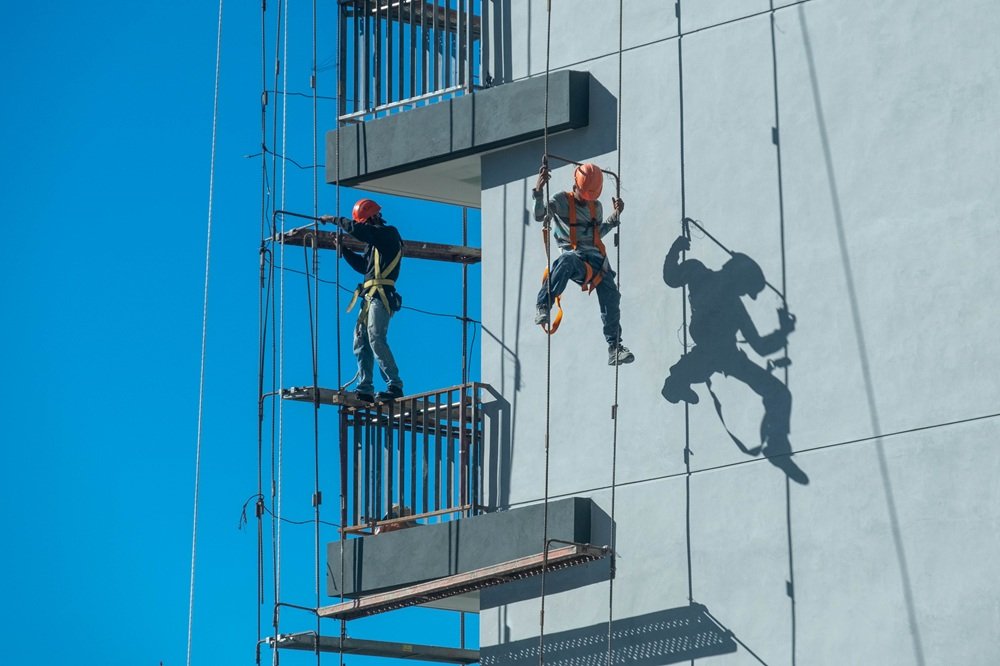
Working at Height Training UK is one of the most important health and safety qualifications for anyone who works above ground level. Whether you are using ladders, scaffolding, mobile platforms, rooftops, or elevated work platforms, working at height carries significant risks that require proper training and awareness.
Falls from height remain one of the leading causes of serious injuries and fatalities in the UK construction industry. Many of these incidents can be prevented through proper planning, suitable equipment, and effective training. This is why employers place great importance on ensuring workers understand safe working practices before carrying out tasks at height.
Working at Height Training UK provides learners with the knowledge needed to identify hazards, assess risks, use equipment safely, and comply with workplace safety regulations. Whether you are a construction laborer, roofer, electrician, painter, maintenance engineer, or site supervisor, this training helps you work more safely while protecting colleagues and members of the public. At Just Course Booking, we believe that good safety training creates confident workers, safer workplaces, and stronger careers. Understanding the principles of working safely at height is an essential investment for anyone entering or progressing within the construction industry.
What Is Working at Height Training UK?
Working at Height Training UK is designed to teach workers how to carry out tasks safely whenever there is a risk of falling from one level to another. Working at height does not only mean standing on rooftops or tall scaffolding. It includes any task where a person could fall and suffer injury, including work from ladders, mobile towers, loading bays, fragile roofs, or elevated platforms.
The training provides practical knowledge on:
- Identifying height-related hazards
- Preventing falls
- Selecting suitable access equipment
- Using fall protection systems
- Carrying out risk assessments
- Understanding emergency procedures
- Following legal responsibilities
- Inspecting equipment before use
- Safe ladder use
- Good workplace communication
The aim is to reduce accidents while ensuring workers understand how to complete their duties safely.
Why Is Working at Height Training Important?
Working at height remains one of the highest-risk activities in construction. A single mistake can result in life-changing injuries or fatalities. Training helps workers understand not only how accidents occur but also how they can be prevented through careful planning and safe behaviour.
Benefits of Working at Height Training UK include:
- Improved workplace safety
- Better hazard awareness
- Reduced accident rates
- Increased worker confidence
- Compliance with workplace regulations
- Improved teamwork
- Better planning before work begins
- Safer use of equipment
Workers who receive proper training are far more likely to recognise unsafe situations before accidents happen.
Who Should Complete Working at Height Training UK?
Anyone whose job involves working above ground level should receive appropriate training.
Typical learners include:
- Construction labourers
- Roofers
- Scaffolders
- Electricians
- Painters and decorators
- Window installers
- Steel erectors
- Maintenance engineers
- Building inspectors
- Site supervisors
- Facilities management staff
- Solar panel installers
Even workers who only occasionally work at height benefit from understanding safe working procedures.
What Does the Training Cover?
Working at Height Training UK introduces learners to both theoretical knowledge and practical safety principles.
Typical course topics include the following:
- Working at Height Regulations
- Hazard identification
- Risk assessments
- Safe ladder use
- Mobile access towers
- Scaffolding awareness
- Roof safety
- Fragile surfaces
- Fall prevention
- Emergency procedures
- Equipment inspections
- Personal Protective Equipment (PPE)
The exact course content may vary depending on the provider, but these areas form the core of most recognized training programs.
Understanding the Risks of Working at Height
Many workers underestimate how easily accidents can happen.
Falls can occur because of:
- Poor planning
- Damaged equipment
- Slippery surfaces
- Bad weather
- Incorrect ladder use
- Unsafe scaffolding
- Inadequate supervision
- Lack of training
- Fatigue
- Poor communication
Understanding these risks is the first step towards preventing them.
Common Hazards When Working at Height
Construction sites present numerous hazards that increase the likelihood of falls.
Common examples include:
- Unprotected roof edges
- Fragile roofing materials
- Open floor openings
- Poor lighting
- Loose materials
- Uneven ground
- High winds
- Wet surfaces
- Falling tools
- Moving vehicles below work areas
Workers should always assess their surroundings before beginning any task.
The Importance of Risk Assessments
Risk assessments form the foundation of safe working at height. Before work begins, employers should identify hazards, evaluate risks, and introduce suitable control measures.
A good risk assessment considers the following:
- The task being carried out
- Working height
- Equipment required
- Weather conditions
- Ground stability
- Worker competence
- Emergency rescue arrangements
Workers should always follow the findings of the risk assessment and report any changes that could increase risk.
Personal Protective Equipment (PPE)
PPE plays an important role in reducing injuries when working at height.
Depending on the task, PPE may include the following:
- Safety helmets
- High-visibility clothing
- Safety boots
- Protective gloves
- Safety harnesses
- Lanyards
- Shock absorbers
- Anchor systems
- Protective eyewear
Workers should inspect PPE before every use and report damaged equipment immediately.
Safe Ladder Use
Ladders are among the most commonly used access equipment on construction sites, but they are also involved in many workplace accidents.
Working at Height Training UK teaches workers how to:
- Select the correct ladder
- Inspect ladders before use
- Position ladders safely
- Maintain three points of contact
- Avoid overreaching
- Secure ladders correctly
- Use ladders only for suitable tasks
Following these simple principles significantly reduces the risk of falls.
Scaffolding Safety
Scaffolding provides a safer working platform than ladders for many construction activities. However, workers should only use properly erected and inspected scaffolding.
Important safety principles include:
- Never remove guardrails
- Keep platforms clear
- Use designated access points
- Follow load limits
- Report defects immediately
- Avoid working during unsafe weather conditions
Proper scaffold safety helps protect both workers and people below.
Fall Protection Systems
One of the most important topics covered in Working at Height Training UK is the correct use of fall protection systems. These systems are designed to minimize the risk of injury if a fall occurs and should always be selected according to the task and work environment.
Common fall protection equipment includes:
- Full body safety harnesses
- Shock-absorbing lanyards
- Retractable fall arrest blocks
- Horizontal lifelines
- Anchor points
- Guardrail systems
- Safety nets
Workers should always inspect fall protection equipment before use and ensure it has been properly maintained and certified where required. Equipment should never be used if it is damaged or shows signs of wear.
Employer Responsibilities
Employers have a legal duty to protect employees who work at height. This includes providing suitable equipment, safe systems of work, and appropriate training.
Employer responsibilities include:
- Carrying out risk assessments
- Providing suitable access equipment
- Maintaining equipment
- Delivering Working at Height Training UK where appropriate
- Supervising work safely
- Planning emergency rescue procedures
- Monitoring site conditions
- Ensuring workers follow safety procedures
Creating a positive safety culture helps reduce accidents and improves overall site performance.
Employee Responsibilities
Workers also have important responsibilities when carrying out work at height.
Employees should:
- Follow training instructions
- Wear PPE correctly
- Inspect equipment before use
- Report hazards immediately
- Never misuse safety equipment
- Follow risk assessments
- Stop work if conditions become unsafe
- Communicate concerns to supervisors
Safe working depends on everyone taking responsibility for their actions.
Emergency Procedures
Despite careful planning, emergencies can still occur. Every work-at-height activity should have a clear rescue plan before work begins.
Emergency planning should include:
- Rescue procedures
- First aid arrangements
- Emergency contact details
- Safe access for emergency services
- Communication systems
- Designated rescue equipment
Workers should never rely solely on emergency services to carry out a rescue. Employers should have suitable arrangements in place for recovering someone safely following a fall.
Choosing the Right Equipment
Selecting suitable equipment depends on several factors, including the height of the work, duration of the task, and site conditions.
Common access equipment includes:
- Step ladders
- Extension ladders
- Mobile scaffold towers
- Fixed scaffolding
- Mobile Elevated Work Platforms (MEWPs)
- Podium steps
- Roof access systems
Using the correct equipment improves both safety and efficiency.
Common Mistakes When Working at Height
Many workplace accidents occur because basic safety procedures are ignored.
Common mistakes include:
- Using damaged ladders
- Overreaching while working
- Standing on the top rung of a ladder
- Failing to wear a safety harness
- Ignoring weather conditions
- Using incorrect equipment
- Working without a risk assessment
- Leaving tools where they can fall
- Failing to secure access equipment
- Not reporting defects
Avoiding these mistakes significantly reduces the likelihood of accidents.
Benefits of Completing Working at Height Training UK
Completing Working at Height Training UK provides valuable knowledge that benefits both workers and employers.
Some of the key benefits include:
- Improved hazard awareness
- Increased confidence
- Better compliance with safety procedures
- Reduced workplace accidents
- Enhanced career opportunities
- Improved teamwork
- Greater understanding of legal responsibilities
- Better planning before work begins
Workers who understand height safety are more likely to protect themselves and those around them.
Career Opportunities
Many construction roles involve some form of work at height. Completing Working at Height Training UK can support career development across various sectors.
Examples include:
- Construction Labourer
- Roofer
- Scaffolder
- Painter and Decorator
- Electrician
- Steel Erector
- Solar Panel Installer
- Maintenance Engineer
- Window Installer
- Site Supervisor
- Facilities Maintenance Technician
Employers often value candidates who have completed recognised health and safety training.
Why Choose Just Course Booking?
At Just Course Booking, we are committed to helping construction professionals access high-quality training that supports workplace safety and career development. Our courses are designed to provide practical knowledge, flexible learning options, and recognised qualifications that meet the needs of today’s construction industry.
By choosing Just Course Booking, you benefit from:
- Flexible online booking
- Trusted training providers
- Industry-recognised qualifications
- Competitive prices
- Excellent learner support
- Wide range of construction courses
Explore all available training courses:
https://justcoursebooking.com/shop
Visit our homepage to discover more health and safety qualifications: https://justcoursebooking.com/
Frequently Asked Questions
What is Working at Height Training UK?
Working at Height Training UK is a health and safety course that teaches workers how to safely carry out tasks where there is a risk of falling from one level to another.
Who should complete the training?
Anyone who works on ladders, scaffolding, roofs, elevated platforms, or any location where a fall could occur should complete appropriate Working at Height Training UK to understand safe working practices and reduce the risk of accidents.
Is Working at Height Training UK a legal requirement?
Employers have legal responsibilities to ensure workers are competent to work safely at height. Providing suitable Working at Height Training UK is an important part of meeting these responsibilities and helping maintain a safe working environment.
What equipment is covered?
Training may include information about:
- Safety harnesses
- Lanyards
- Ladders
- Scaffolding
- Mobile towers
- MEWPs
- Guardrails
- Fall arrest systems
Why is risk assessment important?
Risk assessments help identify hazards before work begins and allow suitable control measures to be introduced to reduce the likelihood of accidents, while Working at Height Training UK ensures workers understand how to follow safe procedures and manage risks effectively.
How does the training improve workplace safety?
Working at Height Training UK helps workers identify hazards, select suitable equipment, follow safe working practices, and reduce the risk of falls.
- Health and Safety Executive (HSE): https://www.hse.gov.uk/work-at-height/
- Working at Height Regulations guidance: https://www.hse.gov.uk/work-at-height/the-law.htm
Conclusion
Working at Height Training UK is an essential investment for anyone whose role involves working above ground level. It equips workers with the knowledge needed to identify hazards, use equipment safely, carry out risk assessments, and follow safe working procedures. By understanding the principles of fall prevention and workplace safety, workers can significantly reduce the risk of accidents while improving productivity and confidence on site. Employers also benefit from a safer workforce, stronger legal compliance, and a positive safety culture.
Whether you are beginning your construction career or looking to refresh your knowledge, completing appropriate Working at Height Training UK is an important step towards protecting yourself and others. Investing in professional training today can help build a safer and more successful future in the construction industry.


About author

Related posts

Site Safety Responsibilities UK are one of the most important aspects of working in the construction industry. Every year, thousands of construction workers across the... Continue reading

Level 1 Health and Safety Course is one of the best qualifications for anyone planning to begin a career in the UK construction industry. Before... Continue reading

Level 1 Health and Safety is one of the first qualifications many people complete before starting a career in the UK construction industry. Whether you... Continue reading

Level 1 Health and Safety Construction is one of the most important qualifications for anyone planning to start a career in the UK construction industry.... Continue reading
Add comment