
No products in the cart.

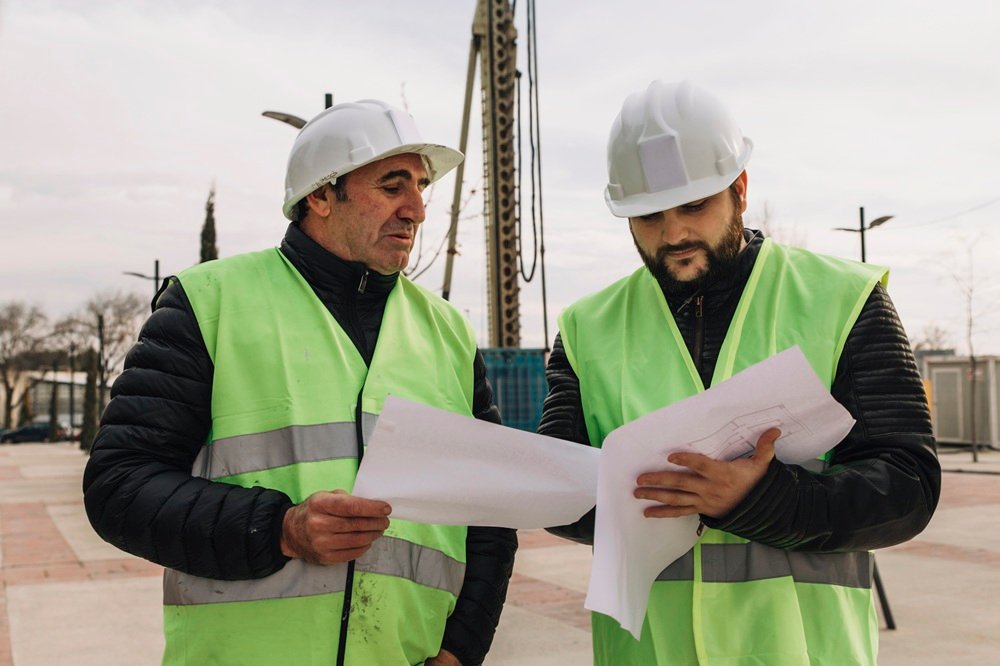
If you work in construction, you may have heard people talk about NVQs but wondered what they actually mean. You may also be asking whether an NVQ is useful for your career, how the assessment works, or which level is right for your job. An NVQ is a vocational qualification designed around practical skills and competence. Unlike qualifications that mainly depend on classroom learning or written examinations, NVQs are generally assessed through evidence showing that you can perform work to the required standard.
For construction workers, this can make an NVQ particularly relevant because much of the industry depends on practical ability, experience, safety awareness, and competence. Whether you are starting your construction career, already have years of site experience, or want to move towards supervision or management, understanding it can help you plan your next step.
What Does NVQ Mean?
NVQ stands for National Vocational Qualification.
It is a competence-based qualification. This means the focus is on demonstrating that you have the skills, knowledge, and understanding needed to carry out a particular job effectively. NVQs are available across many industries, including construction, healthcare, business, engineering, and other occupational sectors. Government guidance lists NVQs across qualification levels from Level 1 upwards, including Levels 2, 3, 4, 5, 6 and 7.
In construction, the qualification is normally connected to a specific occupation or area of responsibility. For example, there are qualifications covering construction operations, site supervision, occupational work supervision, plant operations, and construction management. Current government qualification records include construction NVQs at Levels 2, 3 and 4, among others.
How Does an NVQ Work?
The easiest way to understand it is to think about proving what you can do. Instead of simply sitting in a classroom and answering questions, you normally build evidence of your practical competence.
Depending on the qualification, assessment can involve the following:
- Workplace observations
- A portfolio of evidence
- Questions from an assessor
- Professional discussions
- Photographs or documents
- Witness statements
- Practical work
- Other evidence required by the qualification
The exact assessment process depends on the qualification and awarding organization. The general principle is that an assessor reviews your evidence against the standards required for the qualification. NVQ guidance explains that learners are assessed on practical assignments and portfolios, with assessors observing work and asking questions about knowledge and performance.
This makes it particularly useful for people who already work in construction and want their practical experience formally recognized.
Why Are NVQs Popular in Construction?
Construction is a practical industry. A worker may have years of experience using tools, following drawings, managing materials, operating equipment, supervising workers, or completing specialist tasks. However, experience alone does not always provide formal evidence of competence.
It can help bridge that gap. It allows a construction professional to demonstrate skills against recognized occupational requirements rather than simply relying on a CV or employment history. This can be especially useful when planning career progression.
Who Can Take an NVQ?
NVQs are not only for people who are new to construction. They can be suitable for people at different stages of their careers.
Beginners
Someone starting out may choose a suitable vocational qualification to develop knowledge and practical skills. However, the correct starting point depends on the occupation and qualification requirements.
Experienced Construction Workers
An experienced worker may already have many of the skills required for a qualification. In this situation, It can provide a structured route to demonstrate existing competence.
Supervisors
Workers moving into supervisory responsibilities may consider qualifications related to site supervision or occupational work supervision. For example, government qualification records include Level 3 NVQ qualifications in Occupational Work Supervision in construction.
Managers
Construction professionals with significant management responsibilities can explore higher-level vocational qualifications relevant to their role. The National Careers Service currently lists Level 6 construction site management NVQ courses among available construction learning options.
What Are the Different NVQ Levels?
One of the most confusing parts of choosing an NVQ is understanding the levels. In England, Wales and Northern Ireland, qualification levels run from Entry Level through Level 8. it can appear at several of these levels depending on the occupation and qualification.
The level generally reflects the complexity of the knowledge, skills, responsibilities, or competence involved.
Level 1
Level 1 qualifications generally cover basic knowledge and work activities. They may be appropriate for people developing introductory skills.
Level 2
Level 2 is commonly associated with skilled occupational competence. There are construction-related Level 2 qualifications covering areas such as construction and civil engineering operations. For workers developing or formally recognizing skilled construction abilities, Level 2 can be an important qualification level to investigate.
Level 3
Level 3 qualifications involve a higher level of occupational knowledge and responsibility. They can be relevant to workers who have developed their skills and are taking on more complex responsibilities.
Level 4 and Above
Higher-level NVQs can be relevant to supervisory, management, or more senior professional responsibilities. For example, government records include a Level 4 NVQ Diploma in Construction Site Supervision. The right level is not simply the highest level available. It should match your occupation, experience, responsibilities, and career plans.
Is an NVQ the Same as a Training Course?
No.
An NVQ and a training course can both contribute to professional development, but they work differently. A training course may focus on teaching specific knowledge or skills over a set period. An NVQ generally focuses on demonstrating occupational competence.
For example, a short health and safety course may teach you how to identify workplace hazards and apply appropriate controls. An NVQ may assess whether you can demonstrate the practical skills and knowledge required to perform a particular construction occupation.
This is why construction professionals may benefit from combining vocational qualifications with additional training. For example, someone could work towards an occupational NVQ while also completing CITB health and safety training.
You can explore other training options through our CITB Courses.
What Evidence Is Needed for an NVQ?
The evidence required depends on the qualification. Your assessor will normally explain what evidence you need to provide.
This may include:
- Observations of you carrying out work
- Photographs
- Workplace documents
- Job records
- Professional discussions
- Questions and answers
- Witness testimony
- Other relevant workplace evidence
The important point is that the evidence needs to demonstrate competence against the requirements of your particular qualification. You should therefore avoid assuming that photographs or years of experience alone will automatically be enough. Your assessor can tell you exactly what is required.
Can You Complete an NVQ While Working?
Many NVQs are designed around workplace competence, making them particularly suitable for people who are already employed. This is one of the reasons vocational qualifications can fit well into construction careers. You may be able to continue carrying out your normal work while gathering evidence for your qualification.
However, this depends on the specific NVQ, your workplace, the activities you carry out, and the assessment arrangements. Before enrolling, ask the provider whether your current job provides suitable opportunities for assessment.
How Long Does it Take?
There is no single answer because completion time varies.
It can depend on:
- Your experience
- The qualification level
- Your occupation
- The amount of evidence required
- Your access to suitable workplace activities
- Your availability
- The assessment process
Some learners may progress quickly because they already have extensive experience, while others may need more time to develop and demonstrate the required competence. Government guidance notes that many learners take around one year for Level 1 and Level 2 NVQs and around two years for Level 3, although the timeframe can vary and NVQs are designed to be completed at a suitable pace.
Your training or assessment provider should give you a more accurate estimate for the specific qualification you are considering.
What Are the Benefits of an NVQ for Construction Workers?
An NVQ can offer several potential benefits to someone working in construction.
1. Recognition of Practical Skills
You may already have significant experience. It can provide formal recognition of your occupational competence.
2. Career Development
A recognized vocational qualification can form part of your professional development and may support progression into more advanced roles.
3. Demonstrating Competence
Instead of relying solely on your CV, an NVQ provides assessed evidence against occupational standards.
4. Work-Based Learning
For suitable qualifications, you can develop and demonstrate competence through your actual workplace activities.
5. Wider Career Opportunities
Having relevant qualifications can help you demonstrate your skills when applying for suitable construction roles.
6. Progression to Higher Qualifications
Completing one qualification can sometimes provide a foundation for further vocational learning. It qualifications can lead to further training at higher levels, depending on the qualification and the learner’s career pathway.
7. Building Professional Confidence
Working towards a qualification can encourage you to review your existing skills, identify areas for development, and become more confident in your professional abilities.
Can an NVQ Help With Construction Career Progression?
Yes, It can form an important part of a construction career development plan. Imagine a worker who begins with practical site experience. Over time, they develop specialist skills and gain additional training. They may then want to become a supervisor. Later, they could aim for a management position.
The qualification requirements will vary depending on the role, but vocational qualifications can support this progression by providing formal evidence of occupational competence. The National Careers Service currently lists construction NVQ opportunities ranging from specialist occupational qualifications to construction site management qualifications.
NVQ and CSCS Cards
Construction workers often ask whether an NVQ is connected with CSCS cards. The answer depends on the specific occupation, qualification, card type, and current CSCS requirements. You should never assume that completing any NVQ automatically means you qualify for a particular CSCS card.
Instead, check the current requirements for the card you are interested in.
For official information about cards and requirements, visit the CSCS website.
Your chosen qualification provider can also help explain how your qualification relates to your intended career route.
How to Choose the Right NVQ
Choosing the correct qualification is extremely important.
Start With Your Current Job
Think about what you actually do every day.
What tasks are you responsible for?
What equipment do you use?
Do you work independently or supervise others?
Your answers can help identify the most relevant occupational qualification.
Consider Your Experience
Your previous experience can influence which qualification is suitable. If you have several years of relevant site experience, discuss this with an assessor before choosing a qualification.
Think About Your Career Goal
Do you want to remain in a skilled trade?
Do you want to become a supervisor?
Are you aiming for construction management?
Your long-term goal should influence the qualification you choose.
Check the Assessment Requirements
Before booking, ask:
- What evidence will I need?
- Do I need to be employed?
- How will I be assessed?
- How long could completion take?
- What support will I receive?
- Which awarding organization provides the qualification?
Getting these answers first can prevent confusion later.
Why Choose Just Course Booking for Construction Training?
At Just Course Booking, we understand that construction professionals need training options that match their career goals. Our platform provides access to different construction courses and qualifications, including CITB training and NVQ-related opportunities.
Whether you are developing your site skills, preparing for supervision, or planning your next career move, choosing relevant training can help you build a stronger professional profile.
You can explore our available construction training courses and compare the options that may be suitable for your career.
For professionals interested in site management, you can also explore our SMSTS Course.
If you are progressing into site supervision, our SSSTS Course may also be worth considering.
Frequently Asked Questions
What is an NVQ?
An NVQ is a National Vocational Qualification designed to assess practical skills, knowledge, and competence for a particular occupation. It is a work-related qualification that can be used across many industries, including construction.
Is an NVQ useful for construction workers?
Yes. An NVQ can help construction workers formally demonstrate occupational competence and support professional development. The value depends on choosing a qualification that matches your occupation and career goals.
Can I complete an NVQ while working?
Many NVQs are designed around workplace competence, so they can be suitable for employed workers. However, the specific requirements depend on the qualification and assessment provider.
Do NVQs have exams?
NVQs are generally assessed through evidence of competence rather than relying solely on a traditional written examination. Assessment can include workplace observations, portfolios, questions, and professional discussions.
Which NVQ level should I choose?
The correct level depends on your occupation, current competence, responsibilities, and career goals. You should discuss your experience and intended role with the qualification provider before enrolling.
Can beginners take an NVQ?
Some NVQs can be suitable for people starting their careers, while others require relevant workplace experience. Always check the entry and assessment requirements of the specific qualification.
Can an NVQ help me progress into management?
Some higher-level construction NVQs are designed around supervisory and management responsibilities. The appropriate qualification depends on your current role and intended career progression.
How long does an NVQ take?
The timeframe varies by qualification and learner. Your experience, workplace access, evidence, qualification level, and assessment progress can all affect completion time.
Start Planning Your Construction Qualification
It can be a useful option for construction workers who want to turn practical ability and workplace experience into a recognized vocational qualification. The most important thing is to choose a qualification that actually matches your work.
Before enrolling, consider your current role, practical experience, career ambitions, assessment requirements, and the level of qualification you need. If you are ready to explore your options, visit Just Course Booking and browse the available construction training and qualifications.
Professional development does not happen overnight. The right qualification, combined with practical experience and additional training, can help you continue building your skills and move towards your long-term construction career goals.

About author

Related posts

Construction sites need strong supervision to keep workers safe, maintain standards, and make sure work is carried out according to the correct procedures. While workers... Continue reading

If you are working towards a career in construction management, understanding health and safety responsibilities is an important part of your professional development. Site managers... Continue reading

The construction industry offers many opportunities for people who want practical, hands-on careers. However, experience alone is not always enough to demonstrate what you can... Continue reading

A construction career can change significantly when you move from carrying out work to managing how work is planned, organized, and delivered. Completing an SMSTS... Continue reading

Moving into construction site management is a major career step. Once you become responsible for planning work, supervising teams, managing risks, and maintaining safety standards,... Continue reading
Add comment