
No products in the cart.

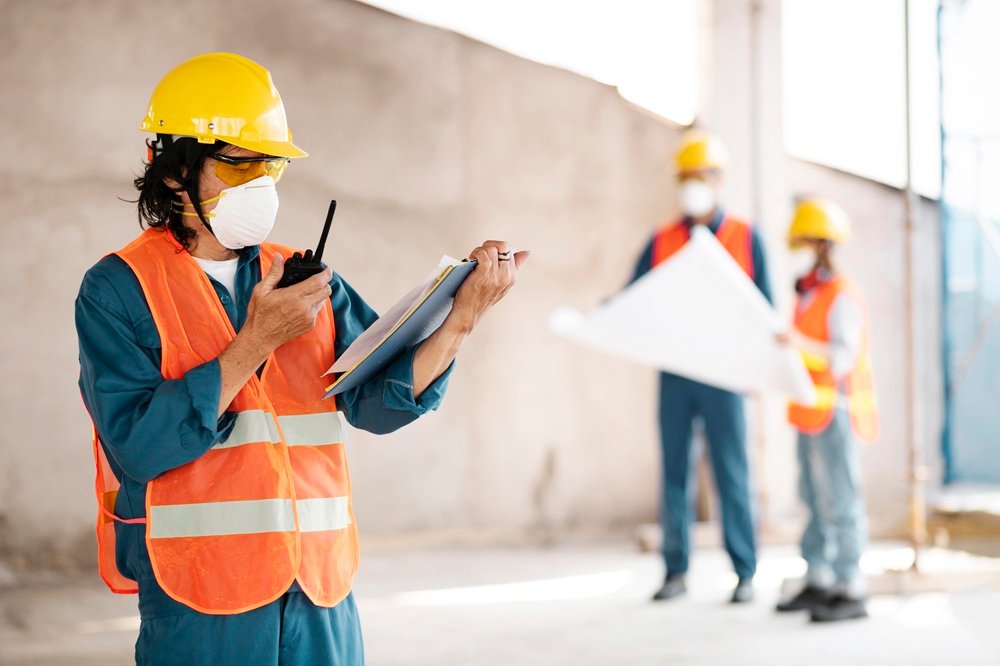
Construction Health and Safety UK is one of the most important aspects of working in the construction industry. Every year, thousands of construction workers across the UK rely on proper safety procedures, protective equipment, and industry training to reduce workplace risks and prevent accidents. Whether you are starting your first construction job or have years of experience, understanding Construction Health and Safety UK helps create a safer working environment for everyone on site.
Construction sites are constantly changing, with workers operating heavy machinery, working at height, handling hazardous materials, and carrying out physically demanding tasks. Without effective health and safety practices, these activities can lead to serious injuries, project delays, and legal consequences. Employers across the UK expect workers to understand site safety rules and comply with current regulations. By following Construction Health and Safety UK guidelines, workers protect themselves, their colleagues, and the public while contributing to more efficient construction projects.
If you want to improve your knowledge of Construction Health and Safety UK, you can explore recognised construction and safety training through https://justcoursebooking.com/ or browse available courses at https://justcoursebooking.com/shop/.
What Is Construction Health and Safety UK?
Construction Health and Safety UK refers to the policies, procedures, regulations, and best practices designed to protect everyone working on construction sites. These measures help reduce workplace accidents, manage risks, and ensure construction projects operate safely.
Construction Health and Safety UK covers areas such as:
- Personal Protective Equipment (PPE)
- Risk assessments
- Safe working procedures
- Fire prevention
- Electrical safety
- Working at height
- Manual handling
- Emergency planning
- Site inductions
- Legal responsibilities
These safety measures apply to everyone on site, including labourers, skilled tradespeople, supervisors, site managers, contractors, and visitors. The official guidance for workplace safety is provided by the Health and Safety Executive (HSE), which publishes regulations and best practice advice for the UK construction industry:
https://www.hse.gov.uk/
Why Construction Health and Safety UK Is Important
Construction remains one of the UK’s highest-risk industries. Workers face hazards every day, including falling objects, moving vehicles, heavy equipment, electricity, and unstable working environments. Construction Health and Safety UK helps minimise these risks by ensuring workers understand how to perform their jobs safely.
Key benefits include:
- Reducing workplace accidents
- Protecting workers and visitors
- Improving productivity
- Meeting legal requirements
- Preventing costly project delays
- Increasing employer confidence
- Creating safer working environments
When everyone follows proper health and safety procedures, construction sites become more organised, efficient, and productive.
UK Health and Safety Laws for Construction Workers
Construction Health and Safety UK is supported by several important laws and regulations that employers and employees must follow. These laws help ensure construction work is planned and carried out safely while reducing risks to workers and the public.
Important regulations include:
- Health and Safety at Work etc. Act 1974
- Construction (Design and Management) Regulations 2015 (CDM Regulations)
- Personal Protective Equipment at Work Regulations
- Manual Handling Operations Regulations
- Work at Height Regulations
You can read the official UK legislation here:
https://www.legislation.gov.uk/
Understanding these legal responsibilities is essential for everyone working in construction.
Employer Responsibilities
Employers have a legal duty to support Construction Health and Safety UK by providing:
- Safe working environments
- Suitable equipment
- Health and safety training
- Risk assessments
- PPE where required
- Emergency procedures
- Safe systems of work
Employers must regularly review workplace risks and update safety procedures whenever site conditions change.
Employee Responsibilities
Workers also have responsibilities under Construction Health and Safety UK.
Every employee should:
- Follow site safety rules
- Wear PPE correctly
- Report hazards immediately
- Use equipment safely
- Attend site inductions
- Participate in safety training
- Protect colleagues and visitors
Health and safety is everyone’s responsibility, and cooperation between employers and workers is essential for maintaining safe construction sites.
Personal Protective Equipment (PPE) Requirements
Personal Protective Equipment (PPE) is one of the most visible parts of Construction Health and Safety UK. PPE helps reduce the risk of injury by protecting workers from common construction hazards.
Common PPE includes:
- Safety helmets
- High-visibility clothing
- Safety boots
- Protective gloves
- Safety goggles
- Hearing protection
- Respiratory protection
The type of PPE required depends on the specific work being carried out and the risks identified during site assessments. Workers should inspect PPE regularly and replace damaged equipment immediately.
Why PPE Is Essential
PPE provides an important layer of protection against workplace hazards.
Benefits include:
- Reducing head injuries
- Protecting eyesight
- Preventing foot injuries
- Improving visibility
- Reducing hearing damage
- Protecting respiratory health
Although PPE is essential, it should always be used alongside safe working practices rather than replacing them.
Understanding Construction Risk Assessments
Risk assessments form the foundation of Construction Health and Safety UK. A risk assessment identifies potential hazards before work begins and determines suitable control measures to reduce risks.
Typical steps include:
- Identifying hazards
- Assessing who may be harmed
- Evaluating risks
- Implementing control measures
- Reviewing findings regularly
Risk assessments should be updated whenever working conditions change or new hazards are introduced.
Common Hazards Identified During Risk Assessments
Construction sites contain many different hazards.
Examples include:
- Falls from height
- Slips and trips
- Moving machinery
- Falling objects
- Electrical equipment
- Hazardous substances
- Manual handling injuries
- Vehicle movements
- Excavations
- Noise and vibration
By identifying these risks early, employers can implement suitable safety measures before work begins.
Benefits of Regular Risk Assessments
Regular risk assessments support Construction Health and Safety UK by:
- Preventing accidents
- Improving planning
- Reducing workplace injuries
- Supporting legal compliance
- Increasing worker confidence
Effective risk assessments should involve workers because they often identify hazards that may otherwise be overlooked.
Common Hazards on Construction Sites
Construction sites are dynamic environments where hazards can change throughout the day.
Some of the most common hazards include:
- Working at height
- Heavy lifting
- Mobile plant and vehicles
- Electricity
- Dust exposure
- Confined spaces
- Uneven surfaces
- Falling materials
Understanding these hazards helps workers remain alert and make safer decisions while carrying out daily tasks. The Construction Industry Training Board (CITB) supports safety training across the UK construction industry. Information about industry training and qualifications can be found at:
https://www.citb.co.uk/
Working Safely at Height
Working at height remains one of the leading causes of serious injuries and fatalities in construction. Construction Health and Safety UK places significant emphasis on planning and controlling work carried out above ground level.
Examples of working at height include:
- Roof work
- Scaffolding
- Ladders
- Elevated work platforms
- Steel framework installation
To reduce risks, workers should:
- Inspect equipment before use.
- Use suitable fall protection systems.
- Secure ladders correctly.
- Keep working platforms clear of obstacles.
- Follow site-specific safety procedures.
- Never work at height without appropriate training.
Employers must assess all work at height activities and ensure suitable control measures are in place before work begins.
The Construction Leadership Council also promotes best practices that support safer construction projects across the UK:
https://www.constructionleadershipcouncil.co.uk/
Safe Manual Handling Practices
Manual handling is part of everyday work on most construction sites. Lifting heavy materials, moving equipment, and carrying tools incorrectly can lead to serious injuries such as muscle strains, back problems, and joint damage. Construction Health and Safety UK encourages workers to use safe lifting techniques and assess risks before moving loads.
Good manual handling practices include:
- Assess the weight before lifting.
- Plan the route before moving materials.
- Bend your knees, not your back.
- Keep the load close to your body.
- Avoid twisting while carrying.
- Ask for assistance with heavy or awkward loads.
- Use mechanical lifting equipment where available.
Employers should also provide manual handling training to reduce workplace injuries and improve overall site safety.
Fire Safety on Construction Sites
Fire hazards are common in construction because sites often contain flammable materials, temporary electrical installations, fuel, and hot work activities. Construction Health and Safety UK requires employers to identify fire risks and put suitable emergency procedures in place.
Effective fire safety measures include:
- Keeping escape routes clear.
- Storing flammable materials safely.
- Inspecting electrical equipment regularly.
- Providing suitable fire extinguishers.
- Training workers in emergency procedures.
- Displaying evacuation plans clearly.
Every worker should know the location of assembly points and understand the site’s fire evacuation process.
Electrical Safety in Construction
Electricity presents one of the most serious hazards on construction sites. Contact with live electrical equipment can result in severe injury or even death. Construction Health and Safety UK requires electrical work to be carefully planned and carried out by competent individuals.
To improve electrical safety:
- Inspect electrical tools before use.
- Report damaged cables immediately.
- Keep electrical equipment away from water.
- Never overload extension leads.
- Use approved equipment only.
- Follow lockout procedures where required.
Workers should never attempt electrical repairs unless they are trained and authorised.
The Importance of Site Inductions
A site induction is often the first stage of working safely on a construction project. Every worker, contractor, and visitor should complete a site induction before beginning work.
A typical induction explains:
- Site rules
- Emergency procedures
- Welfare facilities
- Hazard reporting
- PPE requirements
- Restricted areas
- Traffic management
- First aid arrangements
Construction Health and Safety UK promotes site inductions because they ensure everyone understands the specific risks associated with each project.
Reporting Hazards and Near Misses
Hazard reporting is one of the most effective ways to prevent accidents. Construction Health and Safety UK encourages workers to report unsafe conditions as soon as they are identified.
Examples of hazards include:
- Damaged scaffolding
- Loose materials
- Exposed electrical wiring
- Unsafe excavations
- Broken tools
- Poor housekeeping
Near misses should also be reported because they often highlight potential risks before someone is injured.
Reporting hazards helps employers:
- Prevent accidents
- Improve safety procedures
- Reduce project delays
- Meet legal obligations
Creating a positive reporting culture improves safety across the entire construction site.
Employer and Employee Legal Responsibilities
Construction Health and Safety UK places legal duties on both employers and employees.
Employer responsibilities include:
- Providing a safe workplace.
- Carrying out risk assessments.
- Supplying suitable PPE.
- Delivering health and safety training.
- Maintaining equipment.
- Monitoring workplace hazards.
- Consulting workers about safety.
Employee responsibilities include:
- Following safety procedures.
- Wearing PPE correctly.
- Reporting hazards immediately.
- Using equipment safely.
- Attending training sessions.
- Protecting themselves and others.
When both employers and employees fulfil their responsibilities, construction sites become safer and more productive.
Health and Safety Training for Construction Workers
Training is a key part of Construction Health and Safety UK. Even experienced workers should regularly update their knowledge to remain compliant with current legislation and industry best practices.
Common training programmes include:
- Health and Safety Awareness Course
- CITB Health and Safety Training
- SSSTS Training
- SMSTS Training
- First Aid at Work
- Manual Handling Training
- Working at Height Training
- Fire Safety Awareness
Regular training not only improves safety but also supports career progression into supervisory and management roles.
Common Health and Safety Mistakes to Avoid
Even experienced workers can make mistakes if they become complacent. Construction Health and Safety UK encourages everyone to remain vigilant and follow site procedures at all times.
Common mistakes include:
- Not wearing PPE correctly.
- Ignoring safety signs.
- Using damaged equipment.
- Skipping site inductions.
- Poor housekeeping.
- Failing to report hazards.
- Working without proper training.
- Rushing tasks.
- Ignoring risk assessments.
- Taking shortcuts.
Avoiding these mistakes significantly reduces the likelihood of workplace accidents.
Benefits of Following Construction Health and Safety UK
Following Construction Health and Safety UK benefits everyone involved in a project.
Key advantages include:
- Fewer workplace accidents
- Improved employee wellbeing
- Better legal compliance
- Increased productivity
- Reduced downtime
- Lower insurance costs
- Stronger company reputation
- Improved teamwork
- Safer working environments
- Higher project quality
Construction companies that prioritise health and safety often experience better project outcomes and greater employee satisfaction.
Frequently Asked Questions
What is Construction Health and Safety UK?
Construction Health and Safety UK refers to the laws, procedures, training, and best practices that protect workers, employers, contractors, and visitors on construction sites across the United Kingdom.
Why is Construction Health and Safety UK important?
It helps prevent workplace accidents, protects workers from hazards, ensures legal compliance, and creates safer, more productive construction sites.
What PPE is required on construction sites?
The required PPE depends on the job but commonly includes safety helmets, high-visibility clothing, safety boots, gloves, eye protection, hearing protection, and respiratory equipment.
Who is responsible for health and safety on a construction site?
Everyone has responsibilities. Employers must provide safe working environments and training, while employees must follow safety procedures and report hazards.
Where can I learn more about Construction Health and Safety UK?
Official guidance is available from:
- Health and Safety Executive (HSE): https://www.hse.gov.uk/
- Construction Industry Training Board (CITB): https://www.citb.co.uk/
- UK Legislation: https://www.legislation.gov.uk/
- Construction Leadership Council: https://www.constructionleadershipcouncil.co.uk/
Conclusion
Construction Health and Safety UK is the foundation of every successful construction project. By understanding workplace hazards, wearing appropriate PPE, carrying out risk assessments, following legal responsibilities, and participating in regular training, workers help create safer construction sites for everyone.
Health and safety is not simply a legal requirement—it is a professional responsibility shared by employers, supervisors, managers, and workers alike. Investing time in safety training and following industry best practices reduces accidents, improves productivity, and supports long-term career success.
Whether you are starting your first construction role or progressing into management, applying the principles of Construction Health and Safety UK will help protect your wellbeing while contributing to a safer and more efficient construction industry.


About author

Add comment